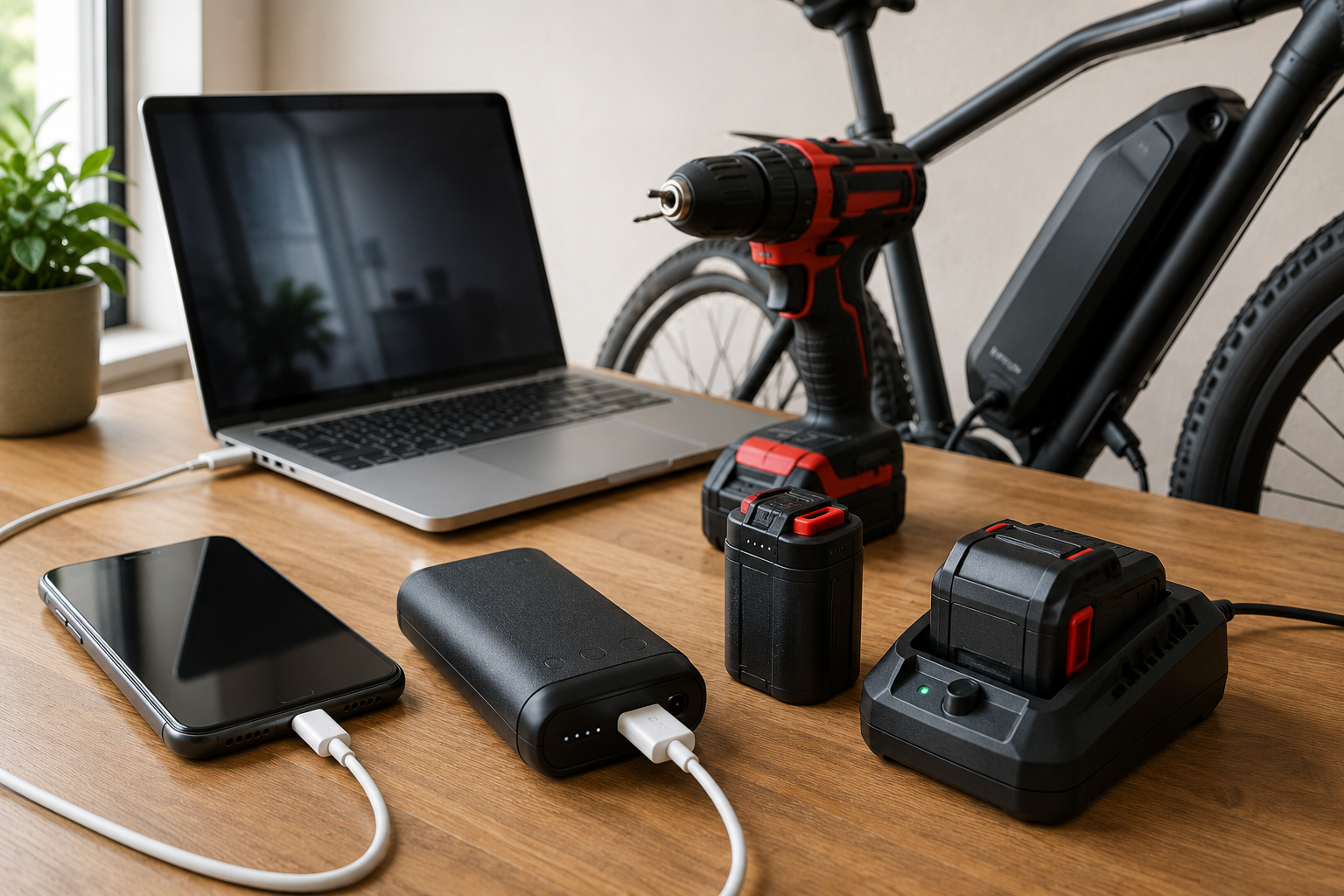
Lithium-Ion Battery Safety
From phones and laptops to power tools, e-bikes, and other rechargeable devices, lithium-ion batteries are part of everyday life. While these batteries provide convenience and portability, they can pose a fire risk if they are damaged, improperly charged, or not disposed of correctly.
Help protect your home and family by following these important safety practices:
- Use the charger that came with your device or one approved by the manufacturer.
- Never charge devices on beds, couches, under pillows, or other soft surfaces that can trap heat.
- Do not charge batteries that are damaged, swollen, overheating, or showing signs of wear.
- Store batteries in a cool, dry location away from direct sunlight and combustible materials.
- Recycle lithium-ion batteries through an approved recycling program. Never place them in household trash.
Taking a few simple precautions can help prevent fires before they start.
Stay charged. Stay safe.
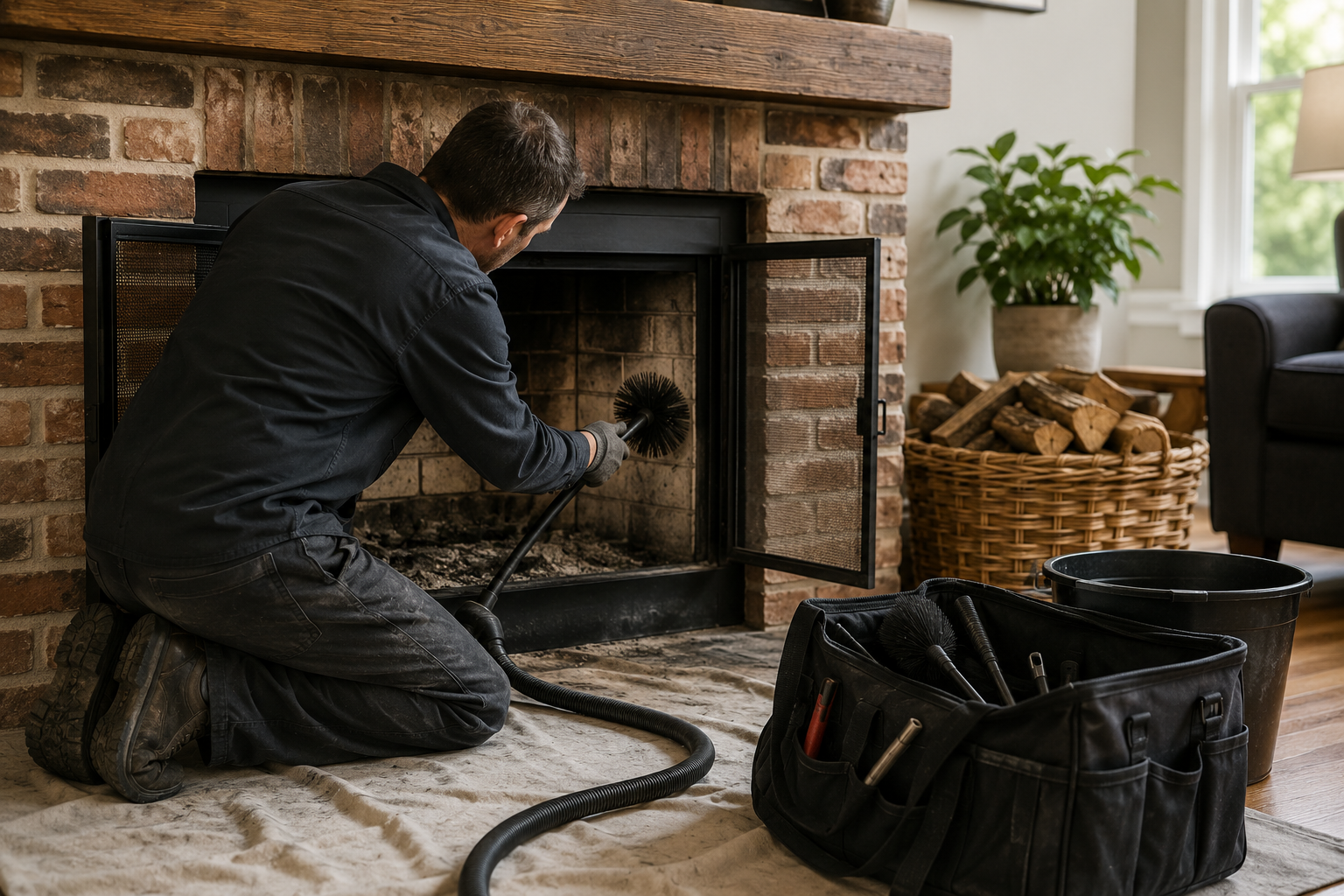
Fireplace and Chimney Safety Tips
- Schedule Annual Inspections: Have your fireplace and chimney inspected at least once a year by a qualified professional to identify cracks, damage, or obstructions.
- Prevent Creosote Buildup: Regularly clean and maintain your chimney to reduce creosote accumulation, a highly flammable residue that can lead to chimney fires.
- Burn Only Appropriate Materials: Never burn trash, paper documents, charcoal, or other household waste in your fireplace. These materials can increase soot buildup and may produce dangerous levels of carbon monoxide.
- Install Carbon Monoxide Detectors: Place carbon monoxide detectors outside sleeping areas and test them regularly. Carbon monoxide is an odorless, colorless gas that can be deadly.
- Use the Damper Properly: Keep the damper fully open whenever a fire is burning. After the fire has gone out, leave it open until all embers and ashes have completely cooled.
- Dispose of Ashes Safely: Place ashes in a metal container with a tight-fitting lid and store it outdoors on a non-combustible surface. If possible, lightly wet the ashes before disposal. Never place ash containers on wooden decks, porches, or other combustible surfaces.
Proper fireplace and chimney maintenance can help reduce fire risks and keep your home safe throughout the heating season.
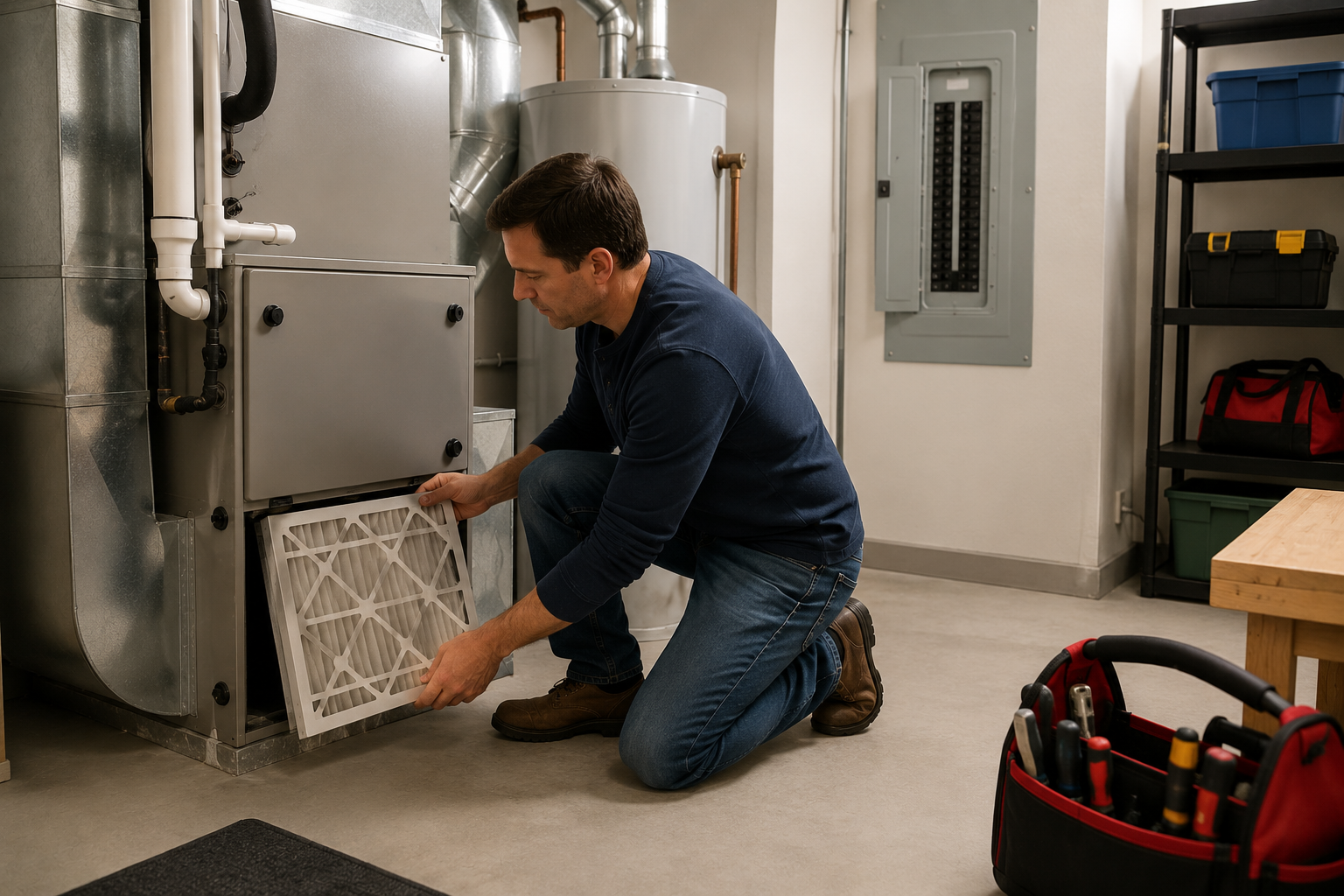
Furnace Maintenance Tips
Proper furnace maintenance helps improve efficiency, extend equipment life, and reduce the risk of fire and carbon monoxide hazards.
- Schedule an Annual Inspection
Before using your furnace each heating season, have it inspected by a qualified professional. Early fall is an ideal time to ensure your system is operating safely and efficiently before colder weather arrives.
- Check Controls and Emergency Shutoffs
Inspect the condition of your furnace’s automatic controls and emergency shutoffs. Make sure everyone in the household knows the location of the electrical panel and that all breakers and fuses are clearly labeled.
- Maintain Proper Clearance
Keep at least three feet of clear space around your electrical panel and furnace area. Avoid storing items nearby or covering access points with furniture, curtains, or decorations.
- Replace Filters Regularly
Change furnace filters according to the manufacturer’s recommendations, typically every one to three months. Clean filters help maintain efficiency and improve indoor air quality.
- Keep Combustible Materials Away
Store trash, cardboard boxes, cleaning supplies, and other combustible materials at least 36 inches away from the furnace to reduce fire risks.
- Inspect the Chimney and Venting System
Regularly check chimneys and vent pipes for cracks, loose masonry, or other damage. Seal unused flue openings to help prevent drafts and improve heating efficiency.
- Install and Test Carbon Monoxide Alarms
Ensure carbon monoxide alarms are installed outside sleeping areas and test them regularly. Replace batteries as needed and follow the manufacturer’s replacement schedule.
Space Heater Safety Tips
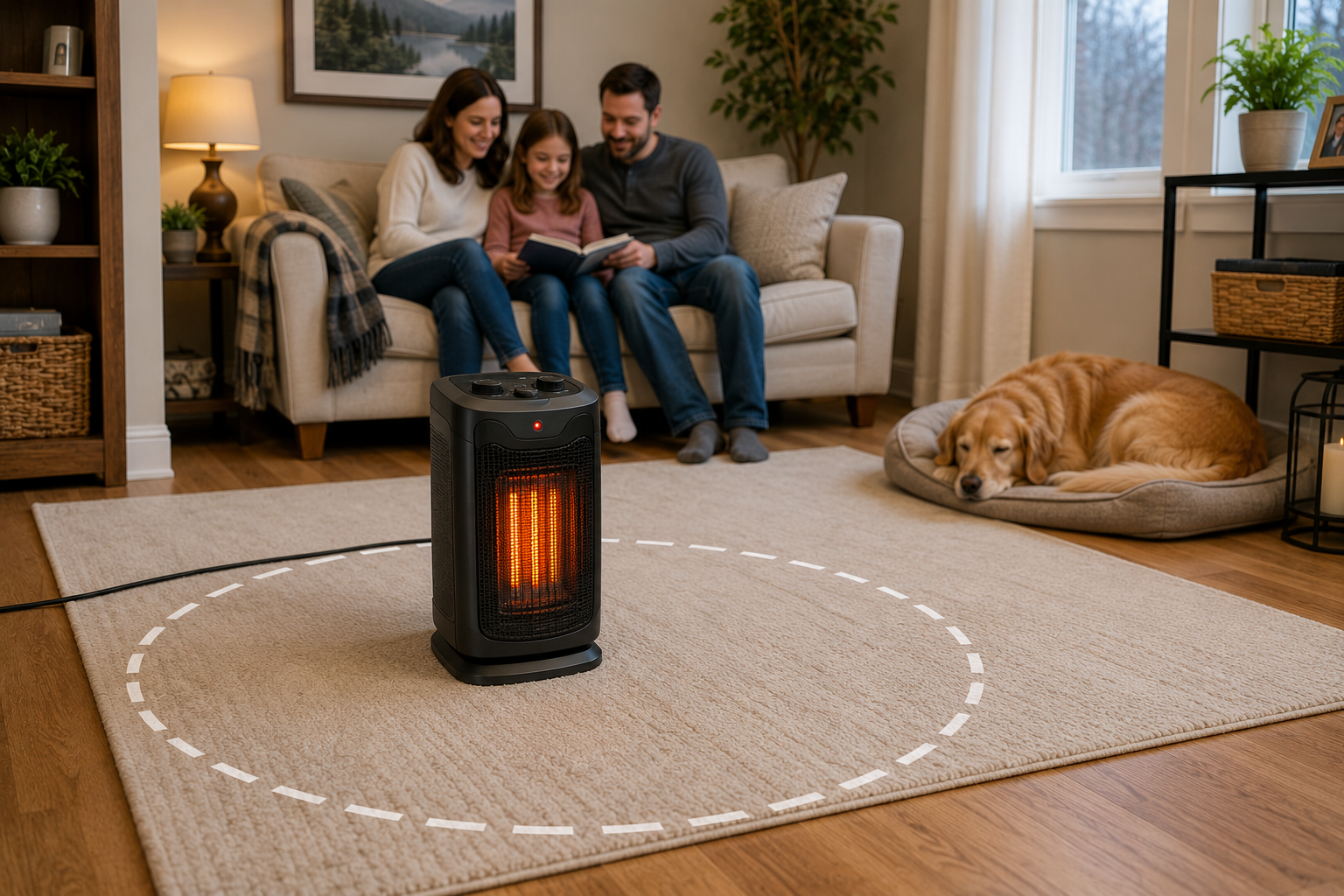
Space heaters can provide additional warmth during colder months, but they must be used carefully to prevent fires and electrical hazards.
- Check Safety Features
Before using a space heater, make sure it is equipped with important safety features such as an automatic shut-off switch, tip-over protection, and safety indicators. These features can help reduce the risk of accidents.
- Maintain Proper Clearance
Keep all combustible materials, furniture, bedding, curtains, people, and pets at least three feet away from the heater at all times. Never place anything on top of a space heater.
- Avoid Using in Bathrooms
Never use a portable space heater in a bathroom or other damp area. Water and electricity can create a dangerous shock hazard.
- Plug Directly Into an Outlet
Space heaters should be plugged directly into a wall outlet. Avoid using extension cords or power strips, which can overheat and create a fire risk.
- Turn Off When Unattended
Always turn off and unplug your space heater when leaving the room or going to sleep.
- Inspect Before Use
Check the heater, cord, and plug for signs of damage before each use. Do not operate a heater with frayed wires, cracked components, or other visible damage.
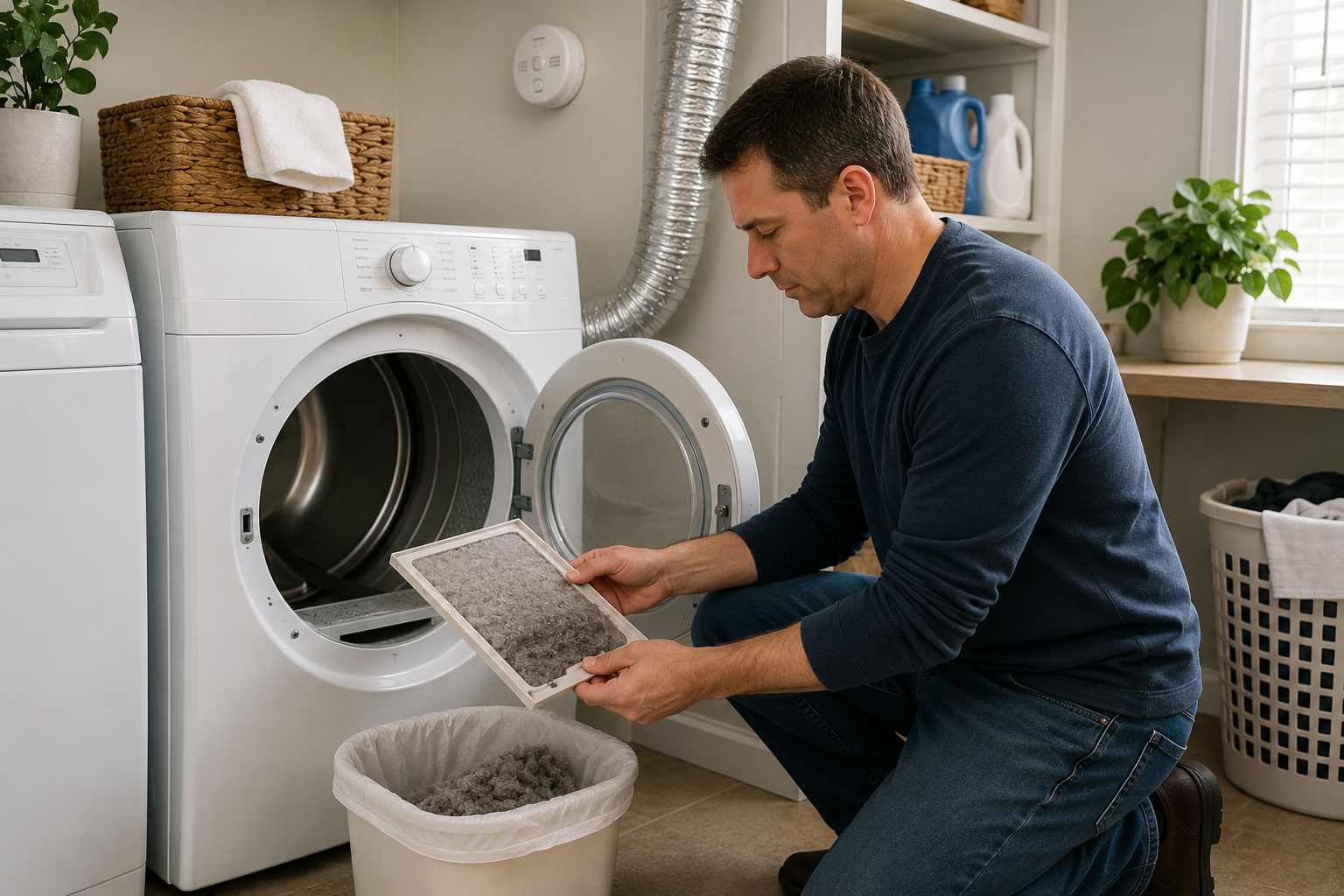
Dryer Safety and Maintenance Tips
Dryers are one of the leading causes of home fires when not properly maintained. Regular cleaning and safe operating practices can help protect your home and family.
- Monitor Drying Performance
If clothes remain damp or require multiple cycles to dry, it may indicate a clogged vent or restricted airflow. Check the vent system and remove any accumulated lint before using the dryer again.
- Install a Smoke or Heat Alarm Nearby
Consider placing a smoke alarm or heat alarm near the laundry area. Ensure the alarm is properly maintained and equipped with a long-life battery according to the manufacturer’s recommendations.
- Never Leave the Dryer Unattended
Avoid running the dryer when you are away from home or asleep. Always operate the dryer when someone is available to monitor it.
- Clean the Lint Filter After Every Load
Remove lint from the lint screen after each load to improve efficiency and reduce the risk of fire.
- Inspect and Clean the Vent System Regularly
Clean the entire dryer vent system at least twice a year, or more frequently if needed. Keeping the vent clear helps maintain proper airflow and prevents dangerous lint buildup.
- Schedule Professional Cleaning When Needed
If you’re unable to safely clean the vent system yourself, contact a qualified dryer vent cleaning professional to ensure thorough maintenance.